
Why the Best Stories Are Found in the Dark
In a world obsessed with clarity, speed, and bright, polished surfaces, there is a quiet rebellion in turning your eyes toward the shadows.
We are taught from a young age to seek the light—both literally and metaphorically. In photography, we look for perfect illumination. In life, we chase unambiguous success. But if you spend all your time in the midday sun, everything flattens out. The details blur into a blinding glare, and the contrast that gives life its shape disappears.
To truly understand a landscape, a person, or a craft, you have to learn to embrace the shadows. Because that is where the real stories are hiding.
The Language of Contrast
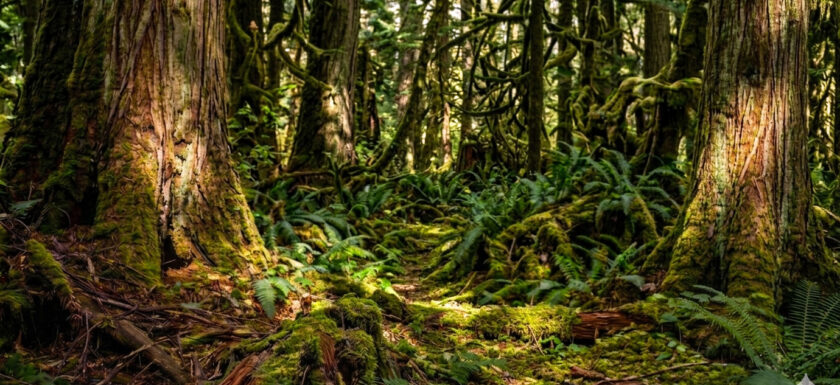
Think about a dense, ancient forest. When the sun is directly overhead, the trees lose their depth. The canopy becomes a solid shield of green, and the forest floor is washed out.
But look at that same forest during the golden hours, or on a moody, overcast afternoon. Suddenly, the shadows stretch out like long, dark fingers across the moss. They wrap around the rough texture of the cedar bark, sink deep into the hollows of decaying logs, and carve out valleys between the ferns.
The shadow doesn't hide the forest; it defines it. Without the dark areas, the light has nothing to fight against. Contrast is the very engine of visual storytelling. It creates drama, mystery, and depth. A photograph with no shadow is just data; a photograph that embraces the dark becomes a mood, a feeling, an untold narrative.
What We Find When We Can’t See
There is a profound freedom in stepping away from perfect visibility. Consider the deliberate, tactile world of traditional processes—like handling film inside a completely dark changing bag or watching a print slowly emerge under the dim amber glow of a darkroom safelight.
When you strip away the ability to see everything instantly, your other senses wake up. You stop relying on quick, superficial glances and start relying on feeling, intuition, and muscle memory. You become hyper-aware of the micro-textures around you: the subtle click of a film holder shutter, the weight of the gear in your hands, the ambient sounds of the environment.
Embracing the shadows forces you to slow down. It demands patience. It teaches you to trust the process even when you can't see the immediate outcome.
The Beauty of the Unsaid
Every great story leaves room for the imagination. If you reveal every single detail in high definition, you leave no work for the viewer or the listener to do.
The shadows in a compelling image act like a beautiful ellipsis—a pause in a sentence that invites you to fill in the blanks. Who walked down that darkened path? What lies just beyond the frame where the light fades out?
By leaving parts of the canvas intentionally dark, you create space for mystery. You allow the viewer to bring their own experiences, fears, and wonders into the frame. The untold stories are often the most powerful because they belong entirely to the person discovering them.
Step Into the Shade
The next time you are out with a camera, or simply moving through your daily life, challenge yourself to look away from the brightest spot in the room.
- Seek out the sharp, geometric lines cast by late-afternoon sun.
- Explore the deep, rich gradients of a forest floor where the canopy blocks the sky.
- Embrace the quiet, unseen moments of a process that takes time to develop.
Don't fear the dark corners of the frame or the quiet phases of your creative journey. The light will always find a way to show off, but the shadows are where the magic, the depth, and the poetry truly live.
Where do you find yourself looking for inspiration when the midday light gets too harsh? Do you prefer the crisp clarity of the sun or the mystery of the shade? Let's talk about it in the comments below.
